
The Most Common Reasons Runners DNF During Ultramarathons (And How to Prevent Them)
Summary
Most DNFs at our 200+-mile races don't come from one dramatic moment. They come from small, fixable problems that got ignored for too long: pacing too fast on Day 1, letting your stomach quit, neglecting your feet, or skipping sleep until your brain starts inventing things on the trail. Here's how to keep little problems from becoming the reason you go home early.
I'm Brian Wilford, Medical Director for Destination Trail. Before this, I spent a career in the fire service as a Battalion Chief, so I've spent a lot of hours around people having their worst day and figuring out how to make it a little better.
I've worked on our medical team since 2018, led it since 2019, and been part of more rescues than I'd like to count, including one helicopter extraction out of about the most remote spot on the Bigfoot 200 course.
I've watched a lot of people finish these races, and I've watched a lot of people drop. Here's the thing worth knowing before you toe the line at Moab 240 or any of our other races: the runners who finish aren't the ones who never have problems. They're the ones who catch a problem while it's still small and deal with it right then.
An ultramarathon isn't one long race. It's thousands of small decisions, and most DNFs trace back to a handful of them. Let's walk through the ones I see most.
1. Pacing: You Raced Day 1 and Paid for It on Day 2
What it looks like: You feel great at the start, because of course you do. You're rested, you're excited, and there's a runner just ahead of you who you're pretty sure you can catch. So you do. Two days later, you're sitting in an aid station wondering why your legs feel like someone replaced them with jello overnight.
When it typically happens: Day 1, though you won't feel it until Day 2 or 3.
Why it happens: Running hard early is the single most common root cause of race-ending problems. It doesn't usually end your race directly. It ends it by handing you a stomach that's shut down, a body that's overheated, muscles that are wrecked, and feet that have swollen a half-size. Those are the things that actually pull you off course, and you built every one of them in the first 50 miles.
How to prevent it: Slow down. If you think you're going too slow, you're probably about right. The goal isn't to be first to mile 50. The goal is to still be moving well at mile 250. Patience is the whole strategy here, and it's a boring one, which is exactly why it works.
2. Comparison: You Ran Someone Else's Race
What it looks like: Someone flies past you on Day 1, and something in your brain decides that's now your problem to solve. So you match them. You eat when they eat, or worse, you skip eating because they did.
When it typically happens: Day 1, when everyone still feels fresh and fast.
Why it happens: Chasing another runner means running their pace, their nutrition plan, their hydration plan, and their sleep plan, none of which were built for you. The runner blowing past you on Day 1 may well be the one sitting in an aid station, or riding home, on Day 2. You have no idea what shape they're actually in, and you never will until it's too late to matter.
How to prevent it: Run your own race. Your pace, your food, your fluids, your sleep. Comparison is the enemy out here, and the trail doesn't hand out medals for winning Day 1.
3. Hydration: You Drank to a Number Instead of to the Conditions
What it looks like: Either you're behind on fluids and starting to feel it, or you've been dutifully drinking on a schedule regardless of the heat, the altitude, or how hard you're working, and now something feels off in a way you can't name.
When it typically happens: Most often Day 1, whenever heat, altitude, or effort spikes.
Why it happens: The trouble usually starts with a plan that ignores the day in front of you. You settle on a number, a bottle an hour, a sip every so many minutes, and then follow it, whether it's 90 degrees on exposed slickrock or 40 and overcast. Drink too much and you're courting real trouble, and sodium won't bail you out if you've simply put too much water in. Drink too little and it sneaks up on you as the heat and altitude quietly raise your needs. Either way, the mistake is trusting the number over what the conditions, and your own thirst, are telling you.
How to prevent it: Drink to the conditions in front of you, not to a rule you memorized in a cooler climate at sea level. Replace electrolytes as you go. And if you think you're dehydrated, slow down first, then reassess. Almost every hydration problem gets easier to read once you take the effort down a notch.
4. Your Stomach: It Quit, So Your Race Quit
What it looks like: Your appetite changes. Food stops sounding good. You tell yourself you'll eat at the next aid station, and then you don't, and then you're several hours into a calorie deficit at mile 130.
When it typically happens: Day 1 into Days 2–3, once early mistakes start to compound.
Why it happens: If your stomach quits, your race usually quits with it. The mistake is waiting until you feel bad to do something about it. By then, you're already behind, and playing catch-up on nutrition during a 200-miler is a losing game.
How to prevent it: At the very first sign your appetite changes, act. Slow down, take small bites, take small sips, and stay ahead of the problem. You don't eat because you feel good. You eat so you'll keep feeling good.
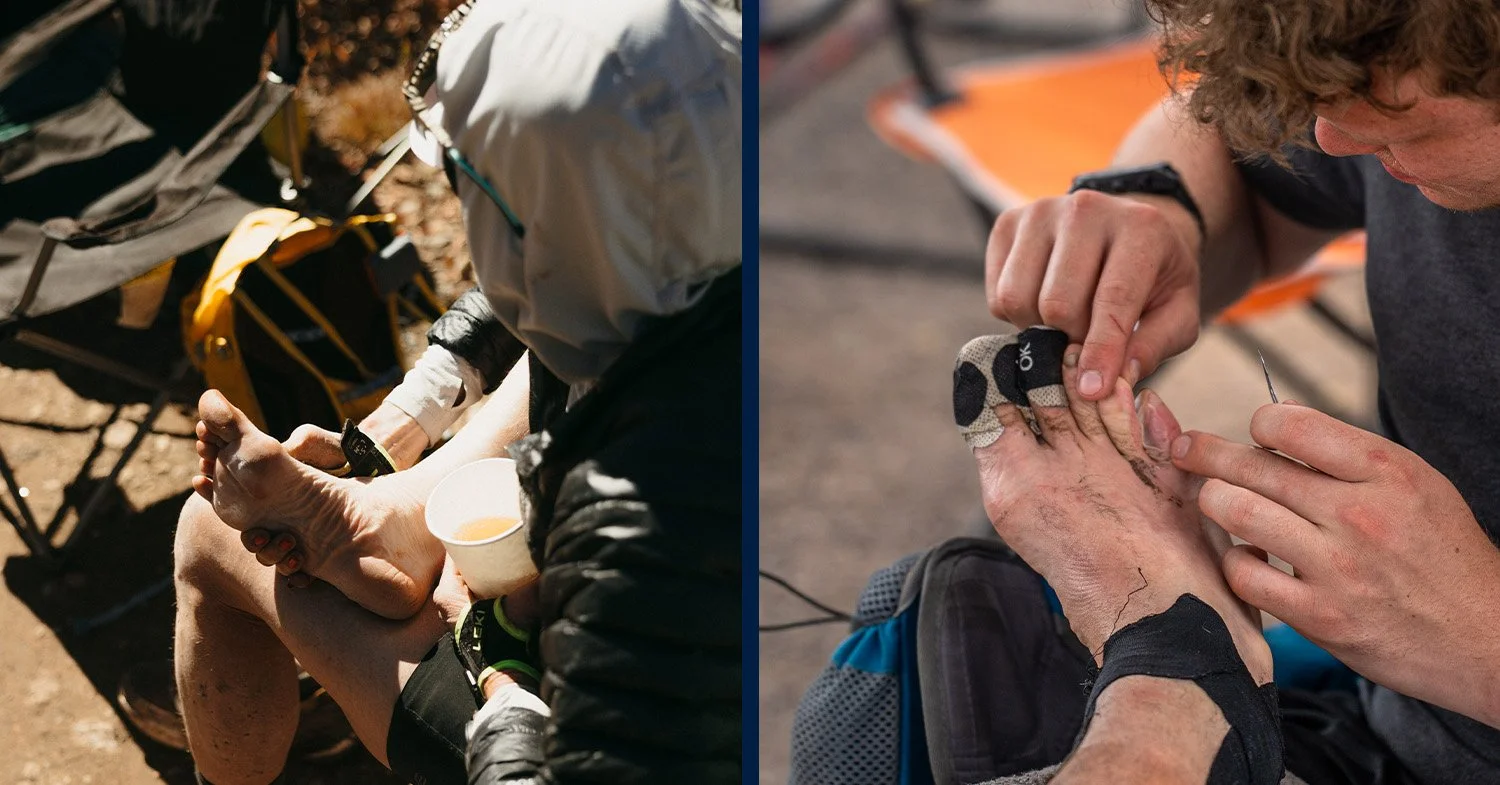
5. Foot Care: You Waited for Us to Perform Miracles
What it looks like: You show up to a medical tent on Day 2 or 3 with feet that haven't had much attention since the start, hoping we can fix in 10 minutes what's been building for a few days.
When it typically happens: Days 2–3, once the miles add up.
Why it happens: Foot care starts months before race day, not at the medical tent. Runners who wait until there's a problem to think about taping, lubricants, socks, shoes, and blister care have already made the hard part harder. Our medical team is genuinely among the best anywhere at feet, and I say that as someone who loves this stuff, but prevention beats repair every single time.
How to prevent it: Practice your foot plan in training until it's boring. Expect blisters and have a system for them. A great resource is Fixing Your Feet by John Vonhof, and a quick search will turn up plenty of tutorials. Show up with a plan, and let us handle the things you couldn't have prevented instead of the things you could have.
6. Walking: You Only Trained to Run
What it looks like: You planned to run this thing, so you trained to run. Then the course, the fatigue, and the climbing turned most of your day into walking, and your body wasn't ready for it.
When it typically happens: Days 2–3, as muscle fatigue sets in and more of your day turns to hiking.
Why it happens: Because it's a running race, you should train by running, right? So that's what you do. But most runners walk far more than they expect in a 200-miler, and walking uses different muscles, a different stride, a different foot strike, and different hip mechanics. If you only train for running, you’ll send your body into the thing it'll do most without ever having rehearsed it.
How to prevent it: Train how you'll actually move. Put real walking, especially uphill walking, into your training so it's a familiar gear and not a rude surprise.
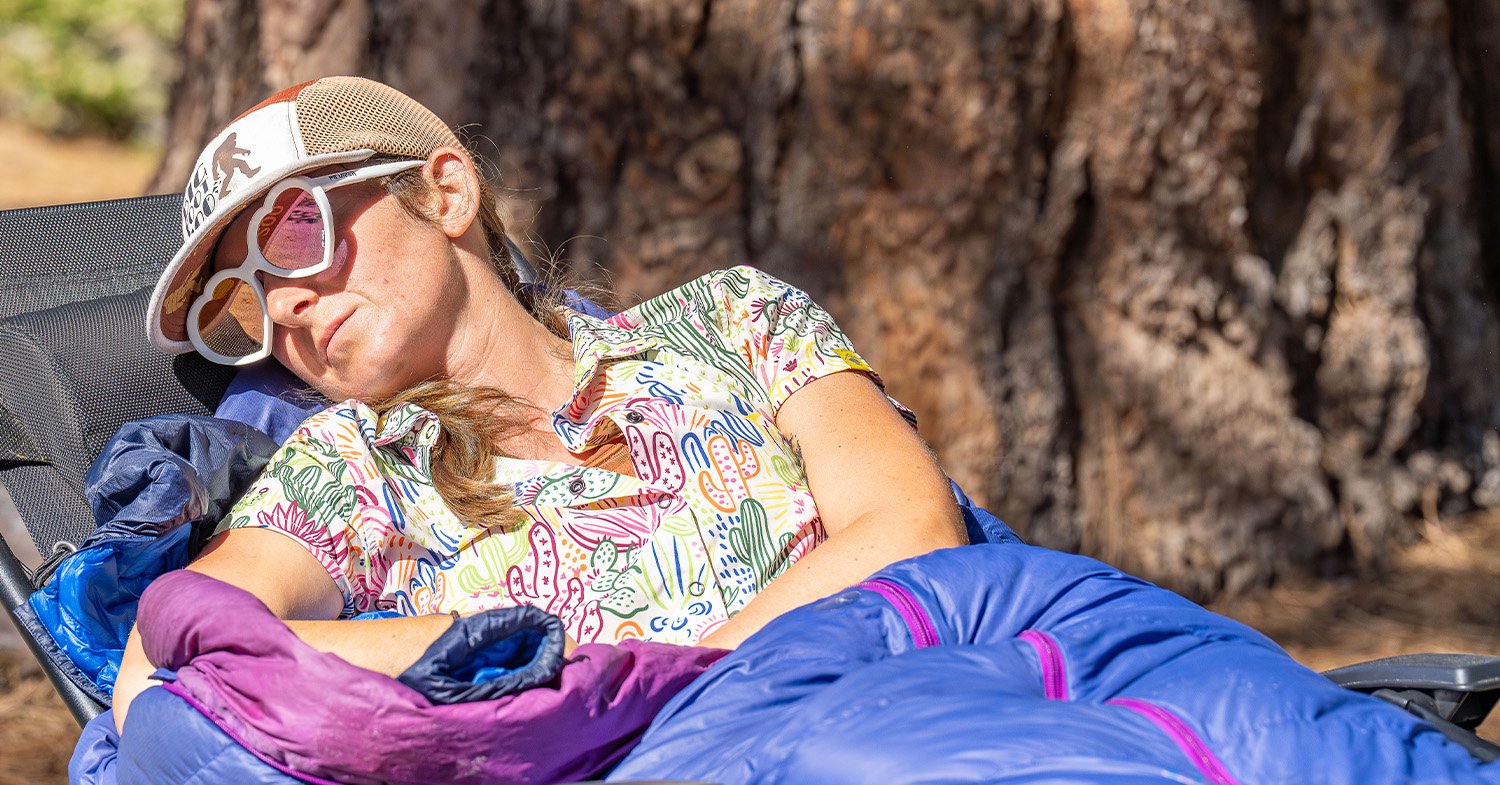
7. Sleep: You Treated It as a Weakness Instead of a Strategy
What it looks like: By Days 3 and 4, you're missing turns, making decisions that won't make sense to you later, and possibly seeing things on the trail that aren't there. This is where hallucinations, getting lost, missed cutoffs, and Search & Rescue incidents cluster.
When it typically happens: Days 3–4, when the deficit peaks.
Why it happens: Some runners skip sleep to get ahead or protect a time, figuring every minute lying down is a minute lost. Others treat it as something only weak runners need and push through to prove a point. Either way, the math rarely works out because the time you save by not sleeping tends to come back with interest once your brain stops cooperating.
How to prevent it: Have a sleep plan and use it. Trail naps, sleep stations, scheduled sleep, whatever fits your race. Sleep isn't a failure of toughness. It's the thing that keeps your brain making good decisions when the course needs you to.
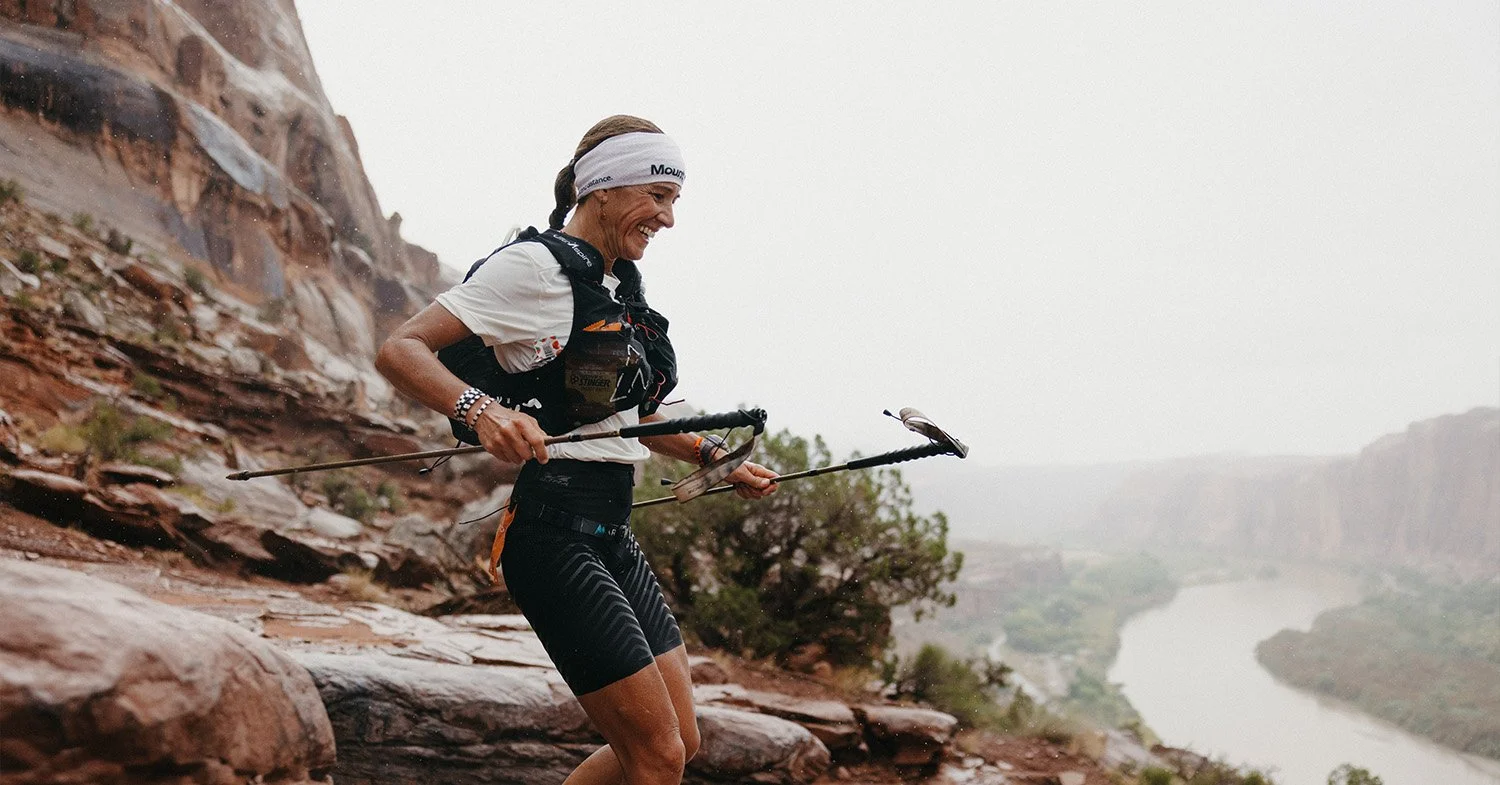
8. The Environment: You Underestimated the Course
What it looks like: Heat, cold, altitude, rain, smoke, and mud all showing up to a race you prepared for as if it would be mild.
When it typically happens: Any day the conditions turn (and they will).
Why it happens: Runners underestimate the conditions and pack for the weather they hoped for instead of the weather they might get. Temperatures at Moab have dropped as low as 7°F, and the heat can be just as much of a problem in the other direction. Show up dressed for the forecast you wanted, and a cold night or an exposed afternoon stops being a discomfort and starts being the reason you're sitting in an aid station deciding whether to go on.
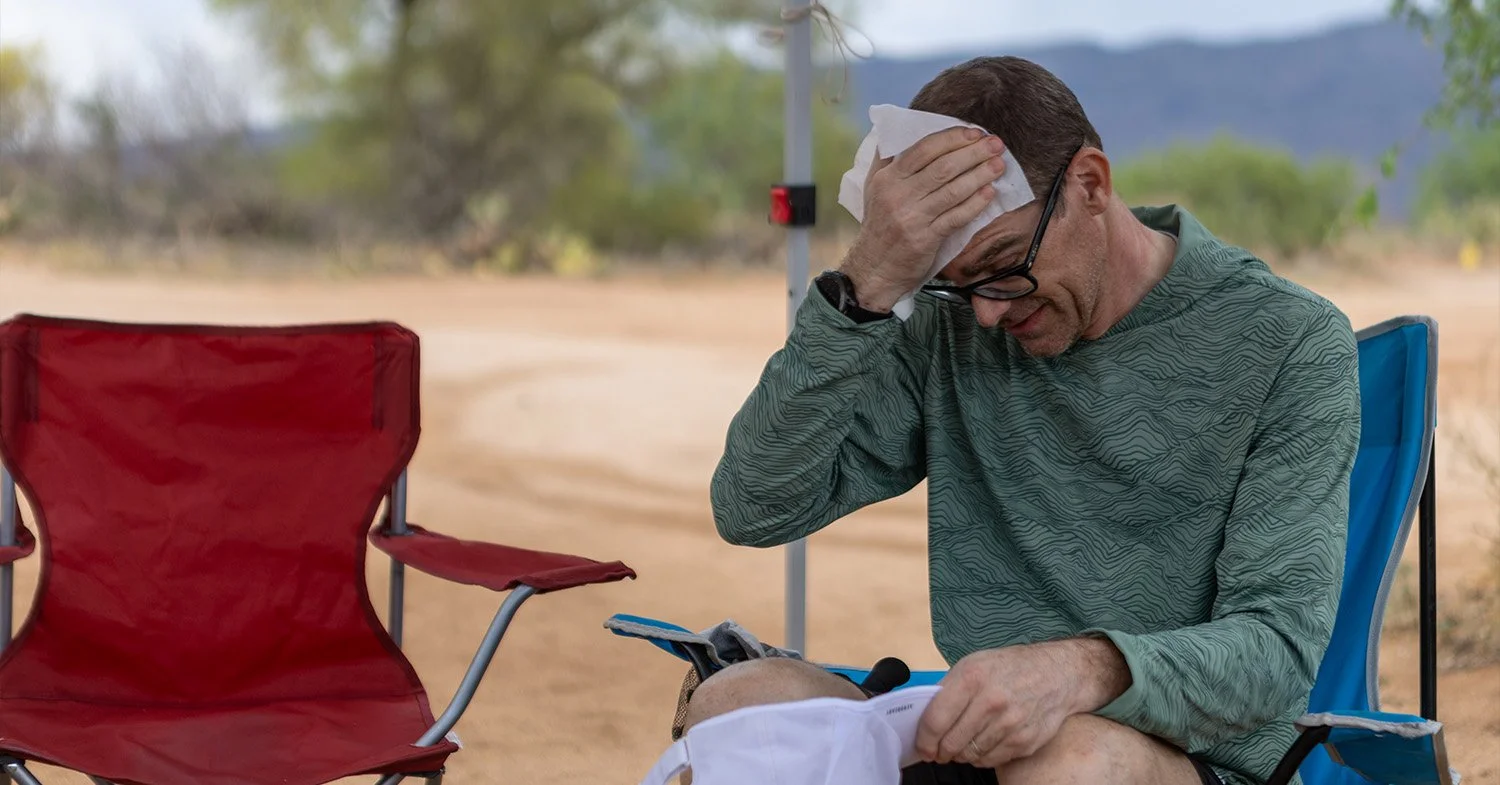
How to prevent it: Prepare for the full range. Clothing choices and pacing handle most of what nature throws at you. In the heat, lean on pacing and cooling: ice bandanas, soaking your shirt or upper body at water crossings, and sometimes just stopping in the shade to cool down before pushing on. Train where you can, and respect where you'll race.
Read Your Runner Manual (Yes, All of It)
I'll be honest with you: the runner manual isn't a thrilling read. It is, however, the single most useful document you'll get, and skimming it is a quietly great way to create problems for yourself.
Every race hosts its manual on the race page, and we send it to you after you sign up, so you have no excuse not to know it. It covers what to bring, including mandatory gear you'll be checked for repeatedly out on course, how to keep yourself and the people around you safe, and, importantly, how and when to drop if it comes to that.
For the record, a DNF isn't a penalty. It just means you started and stopped before the finish for whatever reason, and it's a normal part of this sport. But there's a right way to do it: notify race officials, stay put, and turn in your SPOT tracker. Wandering off course on your own is how a manageable day becomes a Search & Rescue day.
The manual also lays out the schedule for everything that happens before you run. Check-in day always includes a mandatory medical check-in, a mandatory GPS check where you'll show the course track on your device and prove you know how to use it, and a mandatory gear check. The next morning, you pick up your SPOT tracker before the start.
A Note About Medical Check-Ins
One thing I want to clear up about medical check-ins: it isn't an exam, and it isn't us looking for a reason to keep you off the course. It's a conversation. We ask about your history, your longest race, any DNFs and why, your sleep strategy, your training, and anything medical we should know. We have never pulled a runner for something they told us. We've done this across thousands of runner interactions, and the whole point is to build a little rapport and hand you advice that might save your race. So be honest with us. We're on your side, and we're pretty good at this.
The Runners Who Finish
If there's one thing to take from all of this, it's that forward progress is almost always the right answer, and the way you keep making it is by fixing little problems before they become big ones. The finishers aren't superhuman. They're just paying attention, and they act early.
Ready to go make a few thousand small decisions of your own? Take a look at the Destination Trail race lineup and find the one that's calling your name. And if you'd rather see how this all works from the other side of the aid station first, we'd love to have you join the crew as a volunteer. Come find me. I'll probably be looking at someone's feet.