
What Goes Into Planning a 200-Mile Trail Race?
Summary
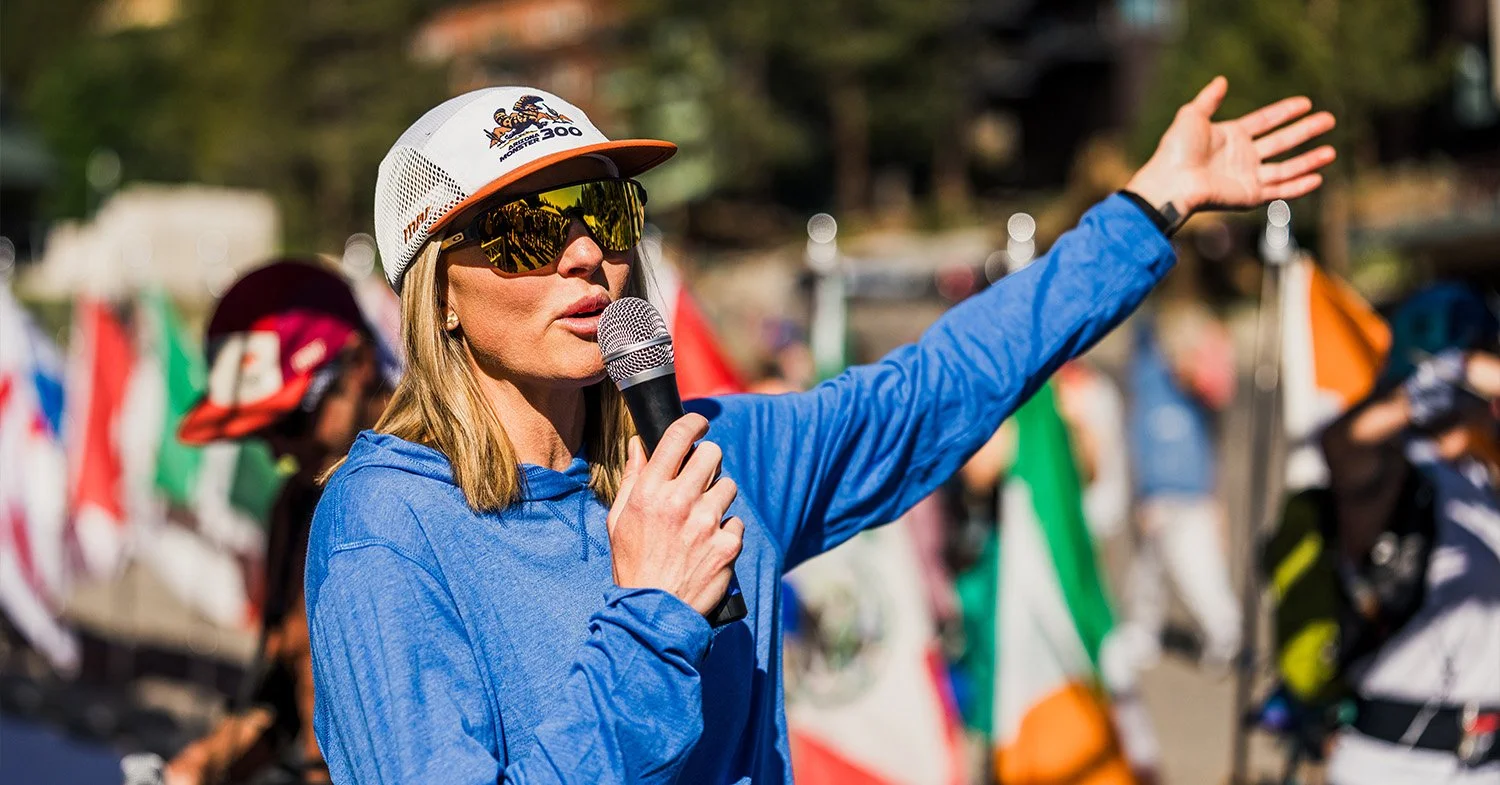
Planning a long distance trail race is part vision, part obsession, and a surprising amount of government paperwork. We sat down with Destination Trail founder Candice Burt to get a behind-the-scenes look at how races like Tahoe 200, Bigfoot 200, Moab 240, and the Arizona Monster 300 go from a line on a map to the start line you're standing at.
A race may seem simple in and of itself — after all, it’s just going from point A to point B. But a Destination Trail endurance race is anything but simple. The prep involves years of work, dozens of agency relationships, hundreds of miles of scouting, and one very stubborn founder who simply refused to design races she wouldn't want to run herself.
Candice Burt started organizing races in 2012 under the Bellingham Trail Running Club, beginning with marathon distances and shorter. By 2013, she had a bigger idea: a 200-mile race circumnavigating Lake Tahoe.
She had no experience at that scale. But she did have a clear vision and a willingness to figure the rest out — including borrowing money from her brother and leaving her massage therapy job to make it happen.
The Race Inspiration
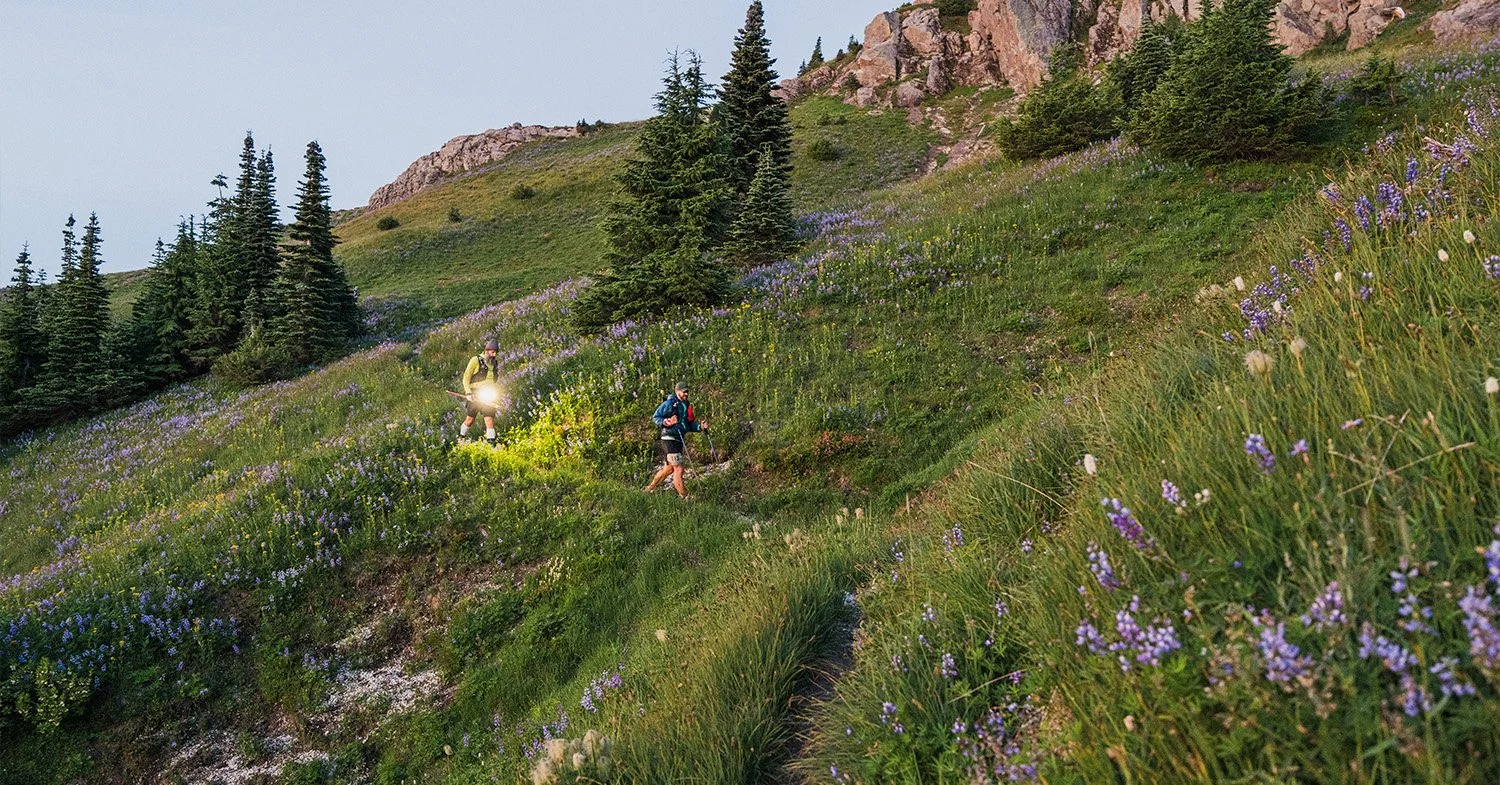
Each race starts with an inspiration. The Tahoe 200, Candice’s first 200–mile race design came together fast by race standards. Candice worked nonstop on what she envisioned as the "Western States of 200s" — an iconic loop along alpine ridgelines, the Tahoe Rim Trail, and lakeshore trails circling one of North America's most recognizable alpine lakes.
The Bigfoot 200 was personal. Candice grew up in Washington State and wanted to create a course in the rugged Cascades. Moab 240 was created as a tribute. It honors Stephen Jones, an ultra-running pioneer and close friend of Candice's who suggested the location before dying in an avalanche in 2016.
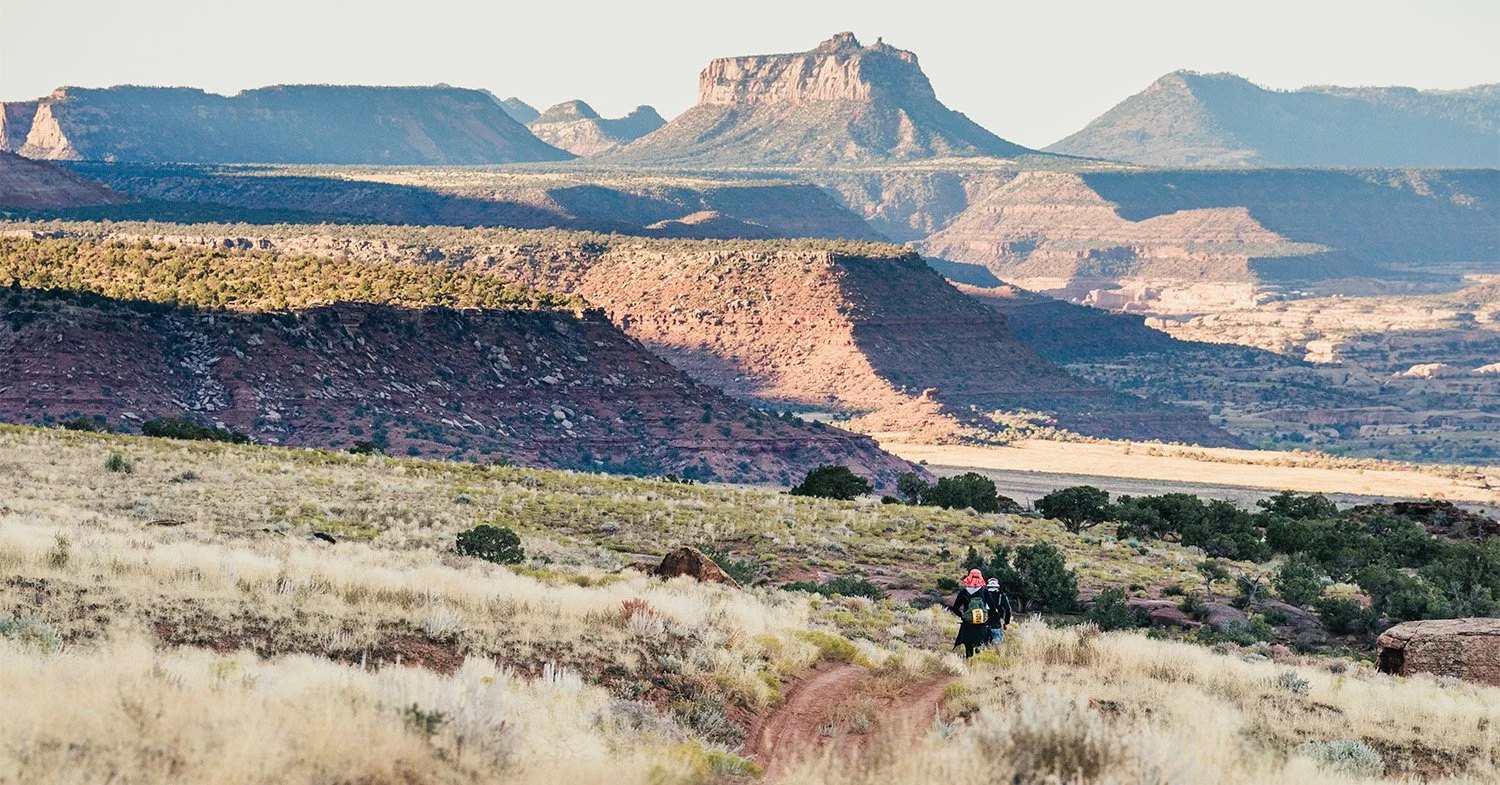
The Arizona Monster 300 grew out of the Sonoran Desert's vibrant landscape and the permittable length of the Arizona Trail, giving a rare opportunity to push the distance even further.
Ready for your next adventure? Check out our calendar to find the right race for you.
The Course Aesthetic
Candice has a core rule when designing a course: aggressively eliminate pavement in favor of single-track trail. Beyond that, she prioritizes mountainous terrain, significant elevation gain, and routes that move through the landscape rather than doubling back on themselves. No repetitive loops. Just forward motion through genuine wilderness.
"I just kind of made the races that I would want to race," Candice says.
This value always takes priority, even when natural events like wildfires require the redesign of a course for safety.
For Bigfoot, Candice went through roughly 25 iterations before landing on the final course. And this work never really stops. After the Arizona Monster’s first two years, the route is changing significantly in 2027 to replace a section of bike path with single track.
A lot of design work never makes it to race day. Candice has spent months developing a potential course only to walk away because the route quality wasn't good enough.
After identifying the vision and the route, the real work begins.
The Permitting Maze
The gap between "I have a course idea" and "the race is happening" is longer than most people realize. For example, the Arizona Monster took over five years to develop, with the team spending two intensive weeks scouting before feeling confident enough to submit for a permit.
For a 200-mile-plus race, Destination Trail typically works with anywhere from five to ten or more agencies, typically including the U.S. Forest Service, Bureau of Land Management, state lands, private land owners, and departments of transportation. A single race may cross three or four separate Forest Service districts, each often requiring its own permits and coordination.
"The first year [of planning] is the most complicated," Candice says. "It feels like navigating a dark room."
Even after a course receives approval, most permits must be reapplied for annually unless a long-term authorization is granted. Securing those longer-term permits, such as a five-year permit from the Forest Service, can be an incredibly slow process. In some cases, it has taken Candice nearly a decade of consistent yearly applications to obtain one.
And sometimes, the answer to a permit application is simply no, with no further explanation.
Safety as a System
Running 200-plus miles through remote wilderness carries real risk, and Destination Trail treats safety as a system rather than a checkbox.
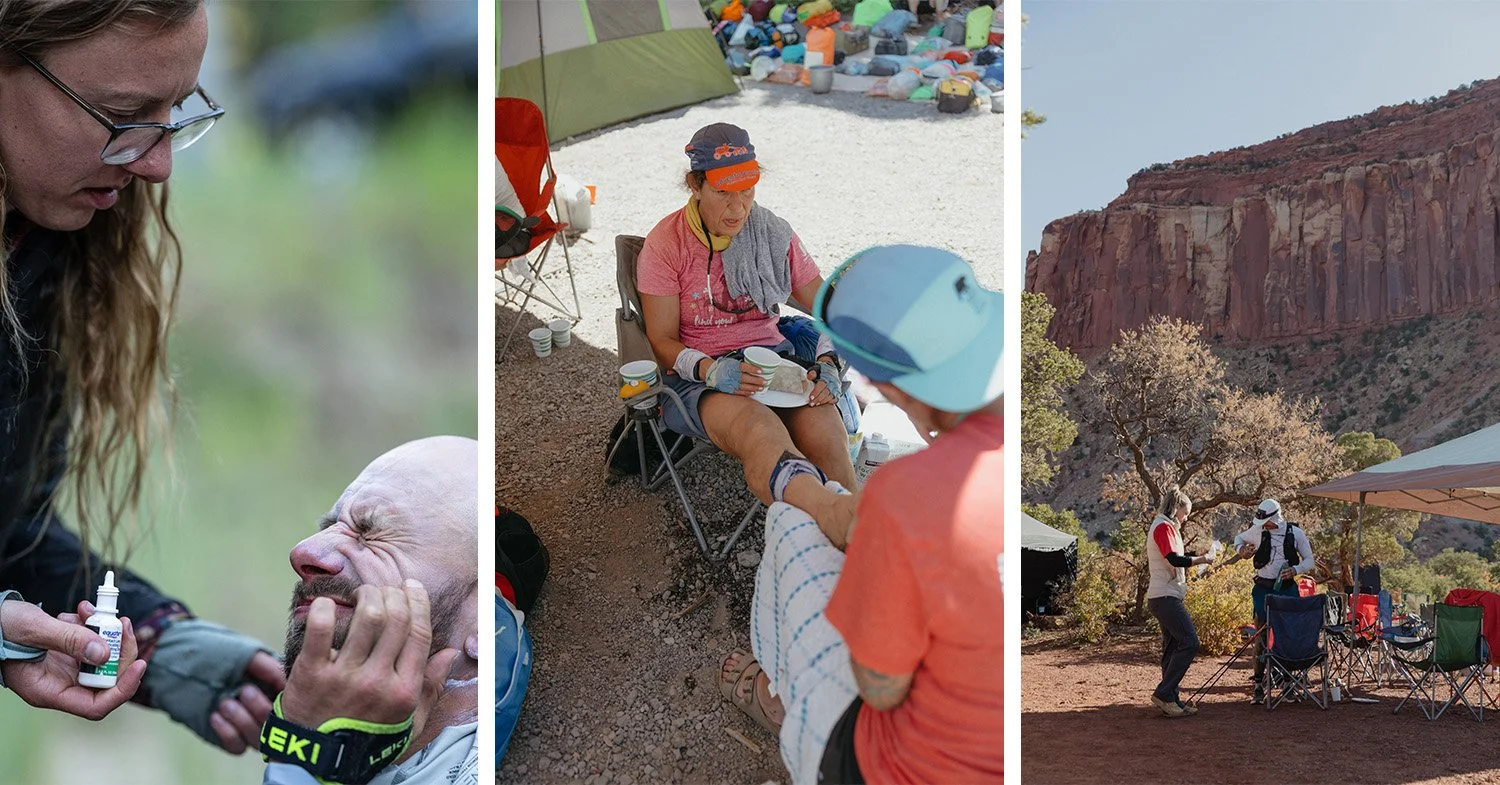
Candice and her core team — several of whom have been with the organization for 8 to 12 years — bring deep backcountry rescue experience to every race and handle the vast majority of emergencies in-house.
Satellite tracking is standard at all 200+ mile Destination Trail races, updating every 5 to 10 minutes to give staff constant awareness of runner locations. After two nights in the mountains, when sleep deprivation and hallucinations can affect judgment, that visibility matters.
Tracking allows the Destination Trail team to monitor runners’ movement across the course over many days and nights— and respond quickly when needed. This important safety system allows the team to handle many runner emergency situations directly, enabling efficient coordination and support in remote environments without the need for local search and rescue agencies.
Coordinating these responses when someone gets lost or needs help on course is a core part of the job and a large reason why Candice has built strong relationships with permitting agencies, and why the races have secured multi-year permits.
It's a detail that illustrates how interconnected race operations really are: safety decisions affect logistics, logistics affect permits, and permits determine whether the race exists at all.
Aid station spacing is another deliberate element. For 200-mile-plus races, the ideal range is 7 to 14 miles between stations, which is enough to keep the race logistically feasible and the entry price manageable. Longer gaps between stations, sometimes up to 20 miles, occur when terrain or permitting limits vehicle access for supplies and medical support.
Stewardship as a Standard
Every Destination Trail race operates under Leave No Trace principles, enforced partly by permit requirements and partly by deeply held values. "I don't think any organization deserves to be on the trails without being good stewards," Candice says.
In practice, that means communicating expectations early and often. Runners receive detailed pre-race emails covering sanitation requirements. On course, runners are required to use wag bags, stay on trail (no cutting switchbacks), and pack out everything they bring in.
To go beyond the minimum, Destination Trail offers monetary race credit to runners who collect the most litter on course. Last year, sweepers following the final runners found almost zero trash on the trail. Some runners even hauled out debris that had clearly been sitting there for years — things the race crew didn't leave behind in the first place.
"We had runners bringing in car parts," Candice laughs. "We're actually cleaning it more than we're adding to it."
Trail maintenance is also part of the picture. For Bigfoot, the team spends a two- or three-day weekend each July clearing winter damage on sections of trail that take a hard seasonal hit.
Worth Every Mile
Designing a 200-mile race never becomes routine. Between courses, Candice is already thinking about what runners will feel, whether it’s the sensation of cresting a particular ridge, the surprise view no one expected, or the weight of mile 180. Every course is a negotiation between an ideal and what agencies will allow, with the knowledge that what's possible today may expand as relationships deepen over time.
Ready to see what all the planning is for? Browse the Destination Trail race lineup and find the one that's calling your name — or join the crew as a volunteer and see the operation up close.